





























African fans face high visa rejection rates ahead of the 2026 FIFA World Cup, IRCC data shows
New figures attributed to the Immigration, Refugees and Citizenship Canada (IRCC) reveal that several African countries have recorded some of the highest visa rejection rates for applicants seeking to travel to Canada ahead of the 2026 FIFA World Cup. The data has raised concerns among football supporters, travel stakeholders, and immigration observers, with many questioning whether genuine fans will be able to attend one of the world's biggest sporting events.

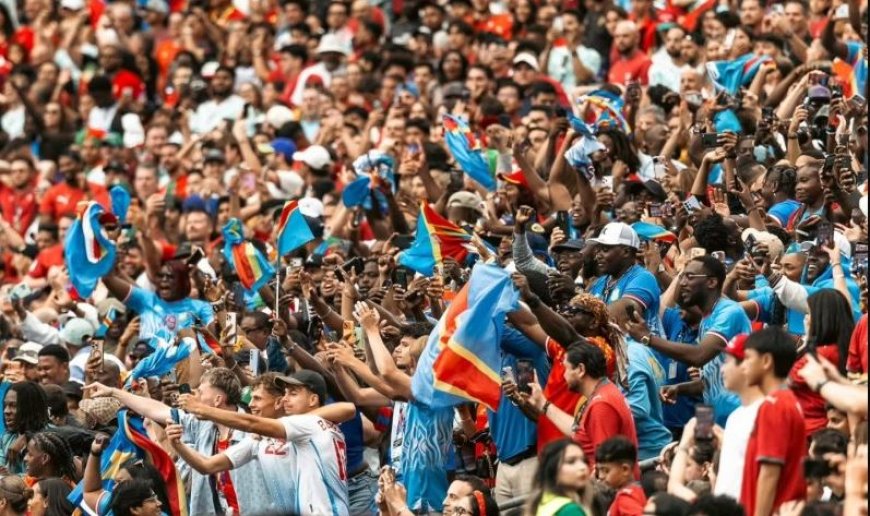
According to the reported figures, the Democratic Republic of the Congo (DR Congo) recorded the highest visa refusal rate among the listed countries. Out of 385 visa applications, only 15 were approved, while 370 were refused, resulting in a rejection rate of 96.1 percent. This means that nearly every applicant from the country was denied a visa.
Kenya followed with a 91.1 percent rejection rate after 205 applications were refused and only 20 approved out of a total of 225 submissions. Ghana also recorded a high refusal rate of 89.3 percent, with 1,540 rejected applications and 185 approvals from 1,725 applications. Despite having the highest number of applications among the countries, listed, Ghanaian applicants experienced a significant number of refusals.

Other countries reporting high rejection rates include Cameroon, where 87 percent of applicants were denied visas, Nigeria at 86 percent, and Senegal at 85.3 percent. Meanwhile, Ethiopia recorded a refusal rate of 78.6 percent, followed by Algeria at 73.5 percent. Egypt registered the lowest rejection rate among the countries listed, although 59.1 percent of applicants were still denied visas.
The figures have sparked debate over access to international sporting events and the challenges faced by travelers from African nations. Many football supporters save for years to attend major tournaments such as the FIFA World Cup, making visa refusals a significant setback despite meeting travel plans and financial commitments.
The 2026 FIFA World Cup, which will be co-hosted by Canada, the United States, and Mexico, is expected to attract millions of visitors from around the world. As preparations continue, immigration policies and visa processing procedures are likely to remain an important issue for fans hoping to witness the tournament in person.

The reported IRCC statistics highlight the considerable visa challenges faced by applicants from several African countries ahead of the 2026 FIFA World Cup. While visa decisions are made based on individual assessments under immigration regulations, the high refusal rates have generated concern about equitable access for genuine football fans. As the tournament approaches, many stakeholders will be watching closely to see whether visa processes become more accessible, allowing supporters from across Africa to participate in one of football's biggest global celebrations.
Jacques Roger NSHIMIYIMANA