



















Nigeria joins Rwanda and South Africa to bring Formula 1 back to Africa
Nigeria has officially entered the race to host a Formula 1 Grand Prix, joining South Africa and Rwanda in a continental bid to return the world's premier motorsport championship to Africa for the first time in more than three decades. The move reflects the growing recognition of Formula 1 as a strategic tool for tourism, investment, and global branding.

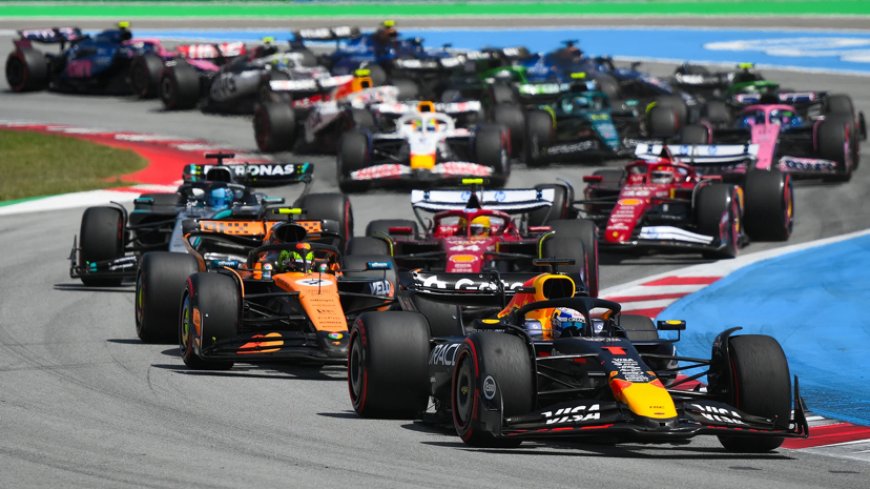
Beyond the excitement of motorsport, hosting a Formula 1 Grand Prix has become a powerful economic and diplomatic asset for countries seeking to enhance their international profile. Governments increasingly use the championship to attract foreign investment, promote tourism, and strengthen their global competitiveness.
Countries such as Singapore, the United Arab Emirates, and Saudi Arabia have successfully integrated Formula 1 into their broader tourism and nation-branding strategies, demonstrating the sport's potential to generate long-term economic benefits.

The commercial value of hosting a Grand Prix has also been highlighted by the success of the Miami Grand Prix in the United States. According to event promoters, the race has generated more than $1 billion in economic impact during its first three editions. In 2024 alone, the event attracted a record 275,000 spectators over three days and reached a record U.S. television audience of 3.1 million viewers.
Nigeria is now positioning itself to become the first West African nation to host a Formula 1 World Championship race. Reports indicate that the proposed project is valued at approximately $500 million, underscoring the scale of investment required to secure a place on the Formula 1 calendar.
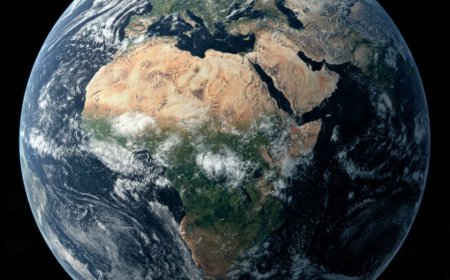
South Africa and Rwanda remain strong contenders in the competition, representing Africa's most determined efforts to bring Formula 1 back to the continent after an absence of more than 30 years. Seven-time Formula 1 world champion Lewis Hamilton has repeatedly expressed his desire to see Formula 1 return to Africa before he retires, adding momentum to the campaign.

Seven-time Formula 1 world champion Lewis Hamilton
However, securing the rights to host a Grand Prix will require more than financial investment. Prospective host nations must demonstrate commercial viability, world-class infrastructure, operational readiness, and a long-term commitment to meeting Formula 1's standards.
As Nigeria joins South Africa and Rwanda in the race for a Formula 1 Grand Prix, the competition extends far beyond motorsport. For African nations, hosting the championship represents an opportunity to boost tourism, attract international investment, strengthen national branding, and elevate the continent's position on the global stage. The successful bidder would mark a historic milestone in Formula 1's long-awaited return to Africa.
Jacques Roger NSHIMIYIMANA